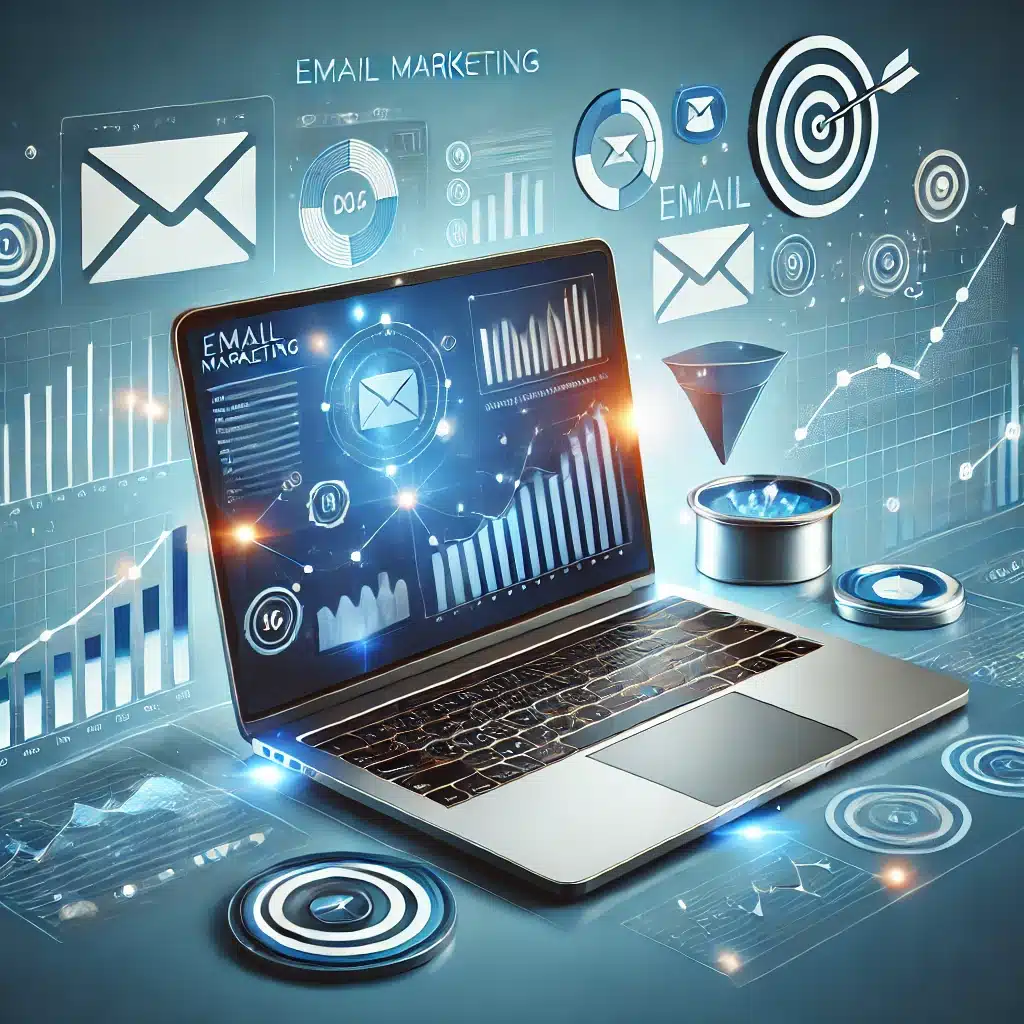
Email marketing is not about blasting mass emails and hoping for miracles. Done well, it is one of the channels that converts and retains best, but its success depends on delivering the right message, to the right person, at the right time. That is precision, data and a bit of psychology, not luck.
Want us to do it for you? See our SEO service
At Kiwop we design campaigns that build relationships, not noise. If you want a team to run it, we work on it in email marketing; if you would rather build it yourself, here are the strategies that actually move the needle in 2026.
Segment before you send
Sending the same email to your whole list is the fast lane to the spam folder. Every customer has different interests, habits and buying moment, and a generic message is a wasted shot. Segmenting improves open and conversion rates and reduces unsubscribes, because the user feels the content is for them.
Segment by demographics (location, language), by behaviour (purchase history, opens, clicks), by preferences (categories of interest) and by engagement level (active vs inactive, whom you re-engage differently). The more relevant the email, the better the ROI of each campaign.
Personalisation with data, beyond "Hi, [Name]"
Real personalisation uses data to build an experience, not to slip the name into the subject line. Recommendations based on past purchases, birthday discounts, abandoned-cart reminders, post-purchase follow-ups and feedback surveys. With a CRM and AI you can show different dynamic content within the same email depending on the profile, and let the system learn what to recommend to each subscriber.
Smart automation
You cannot send by hand. Automation triggers sequences based on user actions: it responds in real time, cuts operational load and improves conversion by arriving at the key moment. The flows you cannot skip:
- Welcome: builds trust and gives a first incentive.
- Abandoned cart: recovers the sale with a reminder and, if needed, a nudge.
- Post-purchase: strengthens the relationship and opens the door to repeat business.
- Re-engagement: wins back the inactive user with an offer or relevant content.
Content worth opening
If every email says "buy now", you end up in spam. Add value before selling: newsletters with tips from your sector, educational content (guides, webinars), customer stories that build empathy, data and trends, and the odd interactive email with questions or challenges. A subscriber who learns something opens the next one.
Design and mobile: where it is actually read
More than 60% of emails are opened on mobile, so responsive design is not optional. Large, easy-to-tap buttons, scannable text, fast loading, subject lines under 50 characters and generous spacing. Add interactive elements (carousels, embedded forms) and dark-mode-friendly templates, an increasingly common preference.
Omnichannel integration
Email is no longer an island. It works better connected to your other channels for a coherent experience: sync with social media to personalise based on recent interactions, combine it with SMS for short reminders, and keep the message consistent across web, app and social. We cover it in email marketing and social media.
Compliance: GDPR, consent and trust
GDPR and rules like the CCPA changed the game, and in 2026 compliance is not just about avoiding fines: it builds trust. Ask for explicit consent before sending, offer a clear and simple unsubscribe, and protect data with secure systems while communicating your privacy policy in an accessible way. A brand that is transparent with data stands out in a crowded inbox.
A/B testing and the metrics that matter
Do not decide on intuition. A/B tests compare two versions of an element to see which performs better: subject line, design, CTA, send time, length or sender name. Small changes move a lot.
And measure what matters, not just opens:
- Open rate: if it is low, review the subject line and sender reputation.
- CTR: measures clicks; improve it with clear CTAs and responsive design.
- Conversion: the one that really counts; align the landing page with the email and simplify the process.
- Unsubscribe rate: if it rises, review frequency and relevance; let people choose the cadence.
- Bounce rate: clean the list, verify emails at sign-up and configure the sending domain properly.
Tools like Mailchimp make automation and analytics easier, and to lift open rates it pays to nail the subject line: we look at it in emails that get opened.
Conclusion
Email marketing is still one of the most profitable ways to build loyalty, but only with precision: segment smartly, personalise with data, automate the key flows, comply with regulations and improve from real metrics. If you want us to build it and measure it for you, in email marketing we analyse your case and put it to work.